The Oral Microbiome and Your Hormonal Eras: A Guide to Gum Health
Disclaimer: The information provided in this article is for educational purposes only and is not intended as medical or dental advice. Always consult with your dentist, physician, or obstetrician for personalized guidance regarding your health.
Have you ever noticed your gums feeling a little more sensitive—maybe even bleeding a bit when you floss—right before your period starts? Or perhaps you or a friend experienced a total shift in how your mouth felt during pregnancy. It’s not random, and it’s certainly not in your head. The intricate relationship between hormones and gum health is an incredibly real, clinically documented phenomenon that rarely gets the spotlight it deserves.
For decades, we’ve been told that bleeding gums are simply a sign that we need to brush harder or floss more. But the truth is much more fascinating, and frankly, much more validating. Your mouth is deeply connected to your endocrine system. Specifically, the estrogen-gingiva connection is a biological reality. Hormonal fluctuations change the environment of your mouth, directly influencing your oral microbiome, blood flow to your tissues, and your immune system's response to everyday bacteria.
From the surge of adolescence to the transitions of later life, your mouth keeps a meticulous record of what your body is going through. Let's dive into the science of how hormonal shifts across your life influence your smile, and how you can support your oral microbiome through every single era.
Puberty and Oral Health: The First Hormonal Window
The journey of hormones and gum health begins in adolescence. During puberty, the body experiences a massive surge in sex hormones, primarily estrogen and progesterone. While we typically associate these changes with growth spurts, skin changes, and mood shifts, the mouth is undergoing its own dramatic transformation.
Puberty and oral health are closely linked because these rising hormone levels directly increase blood circulation to the gingival (gum) tissues. This heightened blood flow is a perfectly natural biological process, but it has a distinct side effect: it increases the sensitivity of the gums to local irritants like dental plaque. Even teens who have excellent brushing and flossing habits might suddenly find themselves dealing with red, swollen, or tender gums.
Scientifically, this is known as puberty-associated gingivitis. The shift isn't just about blood flow; it's also about the oral microbiome—the delicate ecosystem of bacteria, fungi, and viruses living in your mouth. Certain types of bacteria, specifically some Gram-negative anaerobes associated with gum inflammation, actually use estrogen and progesterone as a substitute for vitamin K, a nutrient they need to grow and multiply. In other words, the hormonal surge of puberty acts as a food source for specific bacteria, leading to a shift in the microbial balance.
This is a critical time to establish an empowering, rather than punishing, approach to oral care. When teens experience bleeding gums, the traditional response is often a scolding about not flossing enough. However, understanding the hormonal context changes the conversation. It’s not necessarily a failure of hygiene; it’s an exaggerated inflammatory response to normal plaque levels. Supporting the oral microbiome during this stage with gentle, thorough, and consistent daily care sets the foundation for long-term health without inducing dental anxiety.
The Menstrual Cycle and Your Mouth: Understanding Estrogen and Gums
Once the menstrual cycle is established, the hormonal rollercoaster becomes a monthly rhythm. For many, this rhythm comes with a completely unexpected side effect: cyclical changes in the mouth.
To understand this, we have to look at estrogen and gums. Throughout the typical 28-day menstrual cycle, estrogen and progesterone levels rise and fall dramatically. In the days leading up to menstruation (the luteal phase), progesterone peaks. This peak increases the permeability of the blood vessels in your gums, making them slightly more "leaky."
Because of this increased permeability, the body’s inflammatory response to the plaque that naturally sits along the gumline is heightened. You might be brushing exactly the same way you did two weeks prior, but suddenly your gums feel tender, swollen, or bleed slightly when you use your dental floss. This is a recognized pattern known as menstruation gingivitis.
It’s incredibly validating to know that this isn't a lapse in your routine. Some women reliably experience this soreness or bleeding a few days before their period starts, only for it to magically resolve once menstruation begins and hormone levels drop back down. Your gums have estrogen and progesterone receptors, meaning they directly "listen" to the hormonal signals your body is sending.
During this phase, it’s beneficial to be extra gentle with your tissues. Aggressive brushing or snapping floss into the gums will only exacerbate the inflammation. Instead, focus on soft, sweeping motions and disrupting plaque gently to keep the oral microbiome balanced while your tissues ride out the hormonal wave.
Pregnancy and Oral Health: The Systemic Stakes
Of all the hormonal windows in a person's life, pregnancy brings about some of the most profound and rapid changes, and the mouth is no exception. The conversation around pregnancy and oral health is vital, yet it often gets lost amidst the hundreds of other things expecting parents have to track.
During pregnancy, progesterone levels skyrocket to levels ten times higher than normal to support the developing fetus. Just as we see in the menstrual cycle, but on a much larger scale, this immense hormonal surge creates a highly exaggerated inflammatory response to bacteria in the mouth. This leads to a condition called pregnancy gingivitis.
Typically peaking in the second trimester, pregnancy gingivitis manifests as deeply red, sensitive, and easily bleeding gums. For some, the gums can become so reactive that benign, localized swellings called "pregnancy tumors" (pyogenic granulomas) can form on the gumline. While the name sounds intimidating, these are completely harmless, non-cancerous inflammatory responses that almost always disappear postpartum once hormone levels regulate.
However, the stakes during pregnancy go beyond a little bleeding in the sink. The mouth acts as a direct entry point and influencer for the health of the entire body. Extensive research has explored the correlation between severe periodontal (gum) disease and health outcomes, including potential links to preterm birth and low birth weight. It’s important to emphasize that this is a correlation—meaning we observe the two happening together, but one does not definitively cause the other. The prevailing theory is that the systemic inflammation caused by chronic gum infection can prompt the body to release prostaglandins, which are the same inflammatory chemicals that induce labor.
Understanding this allows expecting parents to be proactive rather than fearful. It explains why maintaining a balanced oral microbiome during pregnancy isn't just about saving your teeth; it's about supporting your whole-body wellness during an important time. Since the immune system is slightly suppressed during pregnancy to protect the baby, the body is less adept at fighting off the bacteria that can cause tooth decay and gum disease, making microbiome-friendly care an absolute must.
Menopause Oral Health: The Drying, Thinning Mouth
If puberty and pregnancy are characterized by a surge in hormones, menopause is defined by their decline. As estrogen levels drop during perimenopause and menopause, the body undergoes changes, many of which deeply impact the mouth. Yet, menopause oral health is perhaps the least discussed and most under-reported phase of the hormonal journey.
For dental professionals and discerning patients alike, understanding the body’s changes during menopause is crucial. Estrogen plays a vital role in collagen synthesis and bone density. As estrogen declines, the gingival tissue can become thinner, paler, and more fragile—a condition clinically referred to as atrophic gingivitis. The gums may recede more easily, exposing the delicate root surfaces of the teeth to bacteria and physical wear.
Simultaneously, the drop in hormones often affects the salivary glands, leading to a significant reduction in saliva production. Saliva is your mouth's natural superpower; it is rich in calcium and phosphate, constantly remineralizing your enamel, and it contains enzymes that keep the oral microbiome in harmony. When saliva flow decreases (a condition called xerostomia or dry mouth), the mouth loses its primary defense mechanism against cavity-causing bacteria and acidic foods.
Furthermore, the loss of estrogen affects the alveolar bone—the jawbone that holds your teeth in place. Just as menopausal individuals are at a higher risk of osteoporosis in their hips and spine, they are also at a higher risk for bone loss in the jaw. This bone loss, combined with thinning gums and a dry oral environment, creates a perfect storm for periodontitis (advanced gum disease) if not proactively managed.
Professionals recognize that this is a time when the oral tissues require the utmost care and nourishment. The shift from a robust, well-lubricated oral environment to one that is dry and fragile means that the products and routines that worked in one's twenties and thirties may actually be irritating or insufficient in one's forties and beyond.
Managing Hormonal Windows Clinically
For the dental professionals reading—and the deeply curious—how we manage these hormonal transitions clinically is evolving. The standard of care is shifting from reactive treatments to proactive, microbiome-supportive strategies.
When patients are navigating puberty, pregnancy, or menopause, their tissues are often in a state of hypersensitivity or fragility. Recommending harsh, highly abrasive toothpastes or alcohol-based mouthwashes that strip the oral microbiome is counterproductive and can worsen tissue irritation. Instead, the focus should be on biocompatible (mouth-mimicking), gentle interventions.
This is where ingredients like nano-hydroxyapatite (nHA) shine. nHA is the biomimetic twin to the natural mineral that makes up our teeth and bones. It works by integrating directly into the enamel, remineralizing microscopic defects without the harshness associated with some traditional agents. Because it is highly biocompatible, it is non-irritating to delicate, inflamed, or atrophic gingival tissues.
For the menopausal patient experiencing dry mouth and thinning tissues, nHA provides essential mineral support without the burning sensation of strong astringents. For the pregnant patient dealing with heightened acid exposure from morning sickness, nHA helps fortify the enamel.
Clinically, managing hormones and gum health also means adjusting recall schedules. A patient experiencing intense pregnancy gingivitis or transitioning through menopause may benefit immensely from more frequent professional cleanings—perhaps every three or four months instead of the standard six. This allows hygienists to disrupt the biofilm that the patient's heightened immune system is overreacting to, keeping inflammation under control until the hormonal storm passes.
What You Can Do at Every Stage
Understanding the science is half the battle; the other half is adjusting your daily routine to support your mouth through these transitions. Here’s how you can practically navigate your oral care across the different hormonal eras:
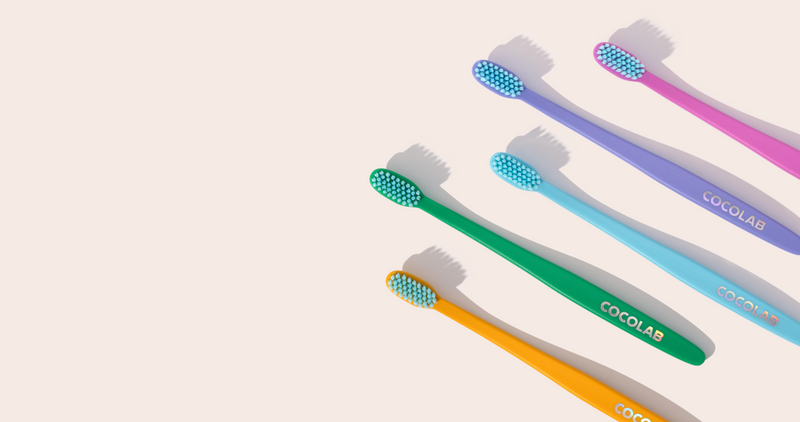
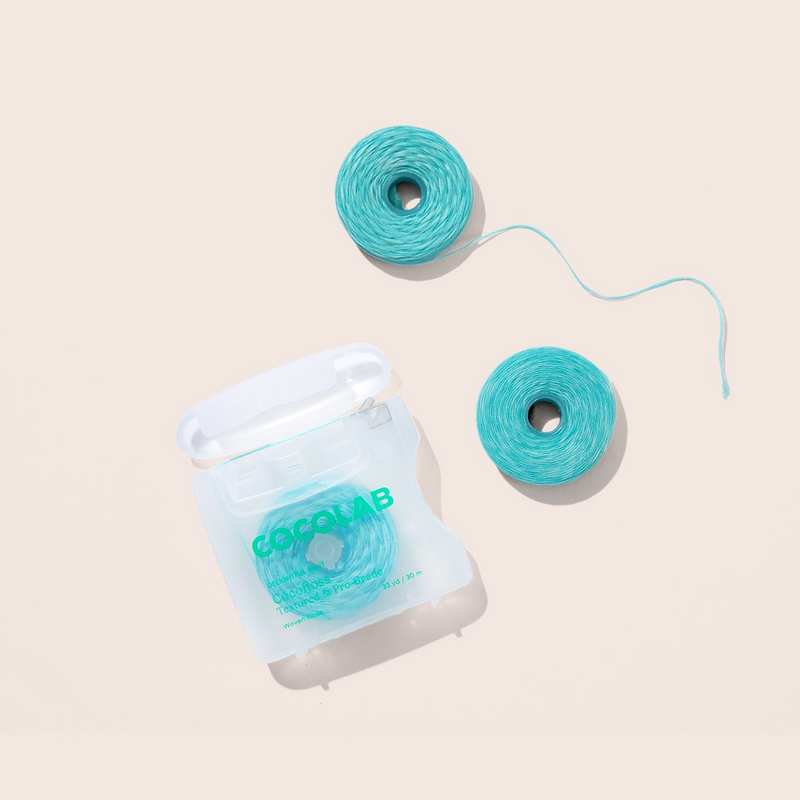
Track Your Cycle and Adjust Your Routine: If you notice your gums get tender right before your period, anticipate it. During your luteal phase, switch to an ultra-soft toothbrush, like Cocobrush. Take your time when cleaning between your teeth. Using a soft, expanding floss like Cocofloss allows you to gently sweep away plaque without slicing into already-sensitive gum tissue.
Communicate During Pregnancy: Don't wait for your gums to start bleeding to tell your dentist you are expecting. Let your dental team know as soon as you find out. They can evaluate your baseline health, recommend safe, gentle products, and potentially schedule an extra cleaning during your second trimester when pregnancy gingivitis tends to peak. If you struggle with morning sickness, remember not to brush immediately after getting sick, as the acid softens your enamel; instead, rinse with water or a fluoride/nHA mouthwash first.
Nourish Your Mouth During Menopause: If you’re entering perimenopause or menopause, hydration is your best friend. Sip water frequently to combat dry mouth. Talk to your dentist about adding a specialized nHA paste, like Cocoshine, to your routine to protect your roots and support your enamel as saliva levels drop. You may also want to discuss the oral effects of any systemic hormone therapies with both your OB/GYN and your dentist together, as coordinated care yields the best results.
Curate a Microbiome-Friendly Shelf: At every stage, ditch the products that burn, sting, or aggressively strip your mouth. Look for premium, science-backed formulas that respect the mouth’s delicate ecosystem. Cocolab's nHA products are designed specifically to nourish and protect without disrupting the good bacteria your mouth needs to thrive.
The Mouth Keeps Score
For too long, dentistry and medicine have operated in silos, treating the mouth as if it were separate from the rest of the body. But as the profound connection between hormones and gum health proves, your teeth and gums are deeply integrated into your whole body’s wellbeing.
Noticing changes in your gums during a heavy cycle, pregnancy, or the transition into menopause is not a sign that you are failing at oral hygiene. It’s a sign that your body is communicating with you. Your mouth keeps score of the incredible biological shifts you experience throughout your life.
By understanding these patterns, we can drop the guilt and embrace a more intuitive, scientifically influenced approach to our daily routines. When you tune into the rhythms of your hormones and support your oral microbiome with joyful, biomimetic care, you ensure that your smile stays vibrant, resilient, and ready for whatever era comes next.